SOLBERG

CAM-SW8211-150C

$168.00 USD each
$168.00 USD each
W promocji

Pomiń, aby przejść do informacji o produkcie
1 z 4

SOLBERG

CAM-SW8211-150C

$168.00 USD each
$168.00 USD each
W promocji

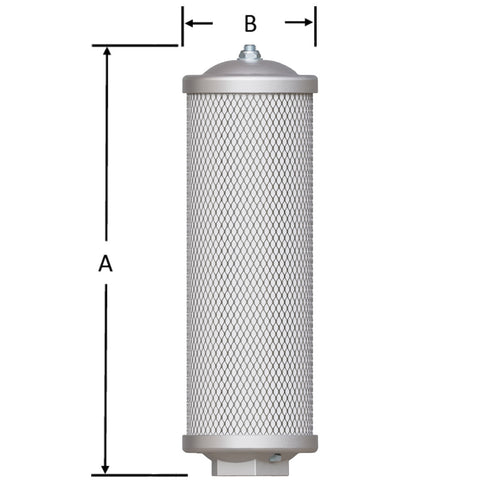
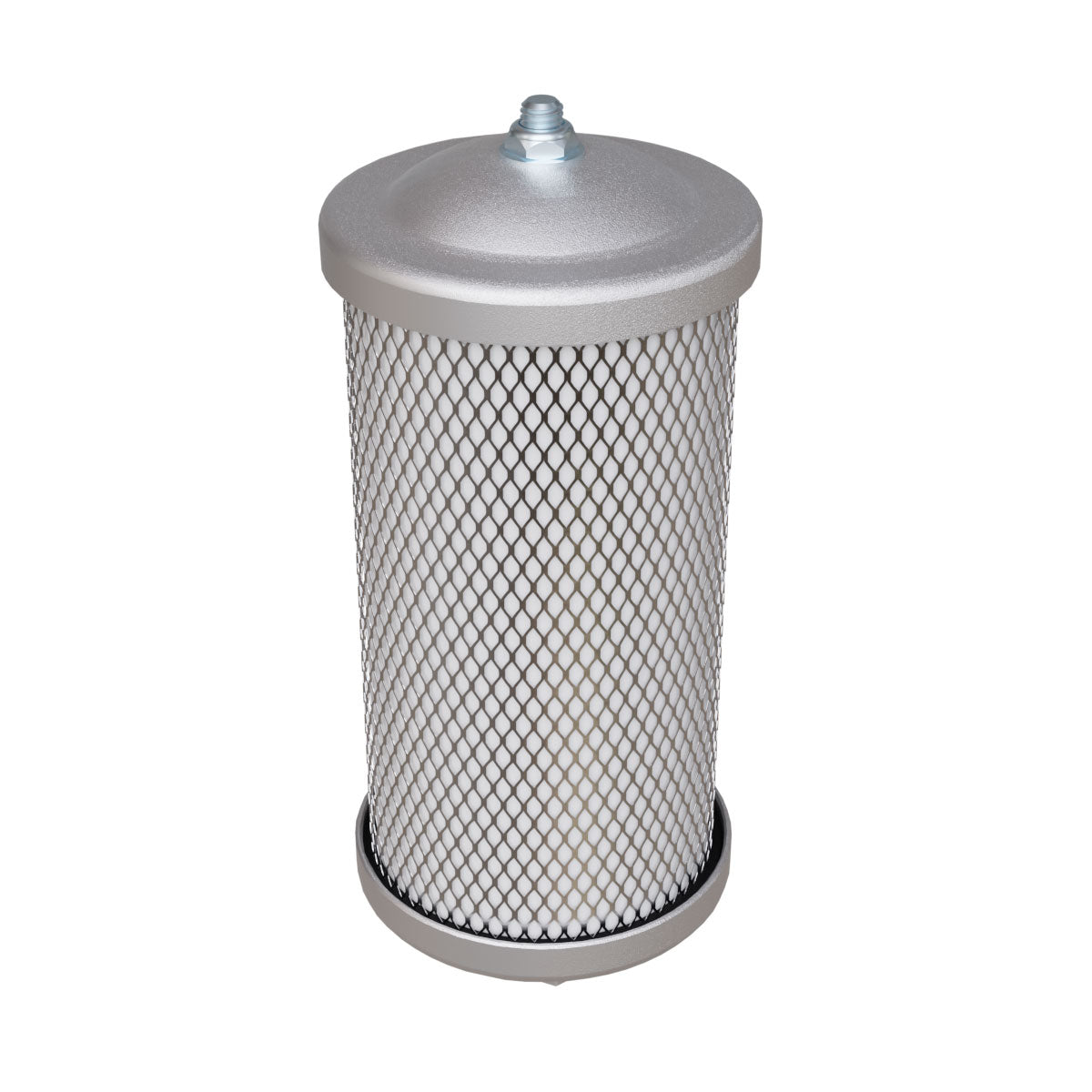
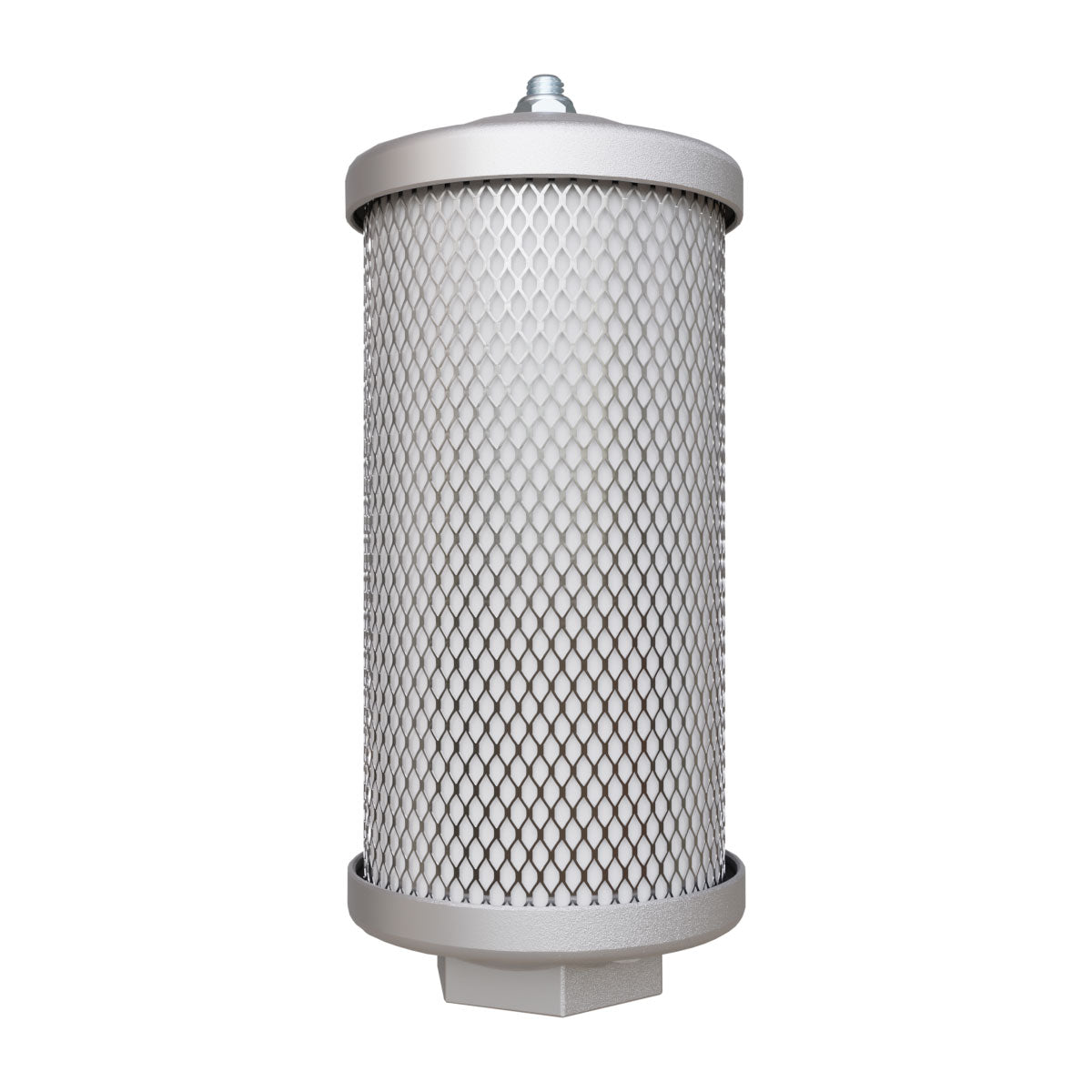
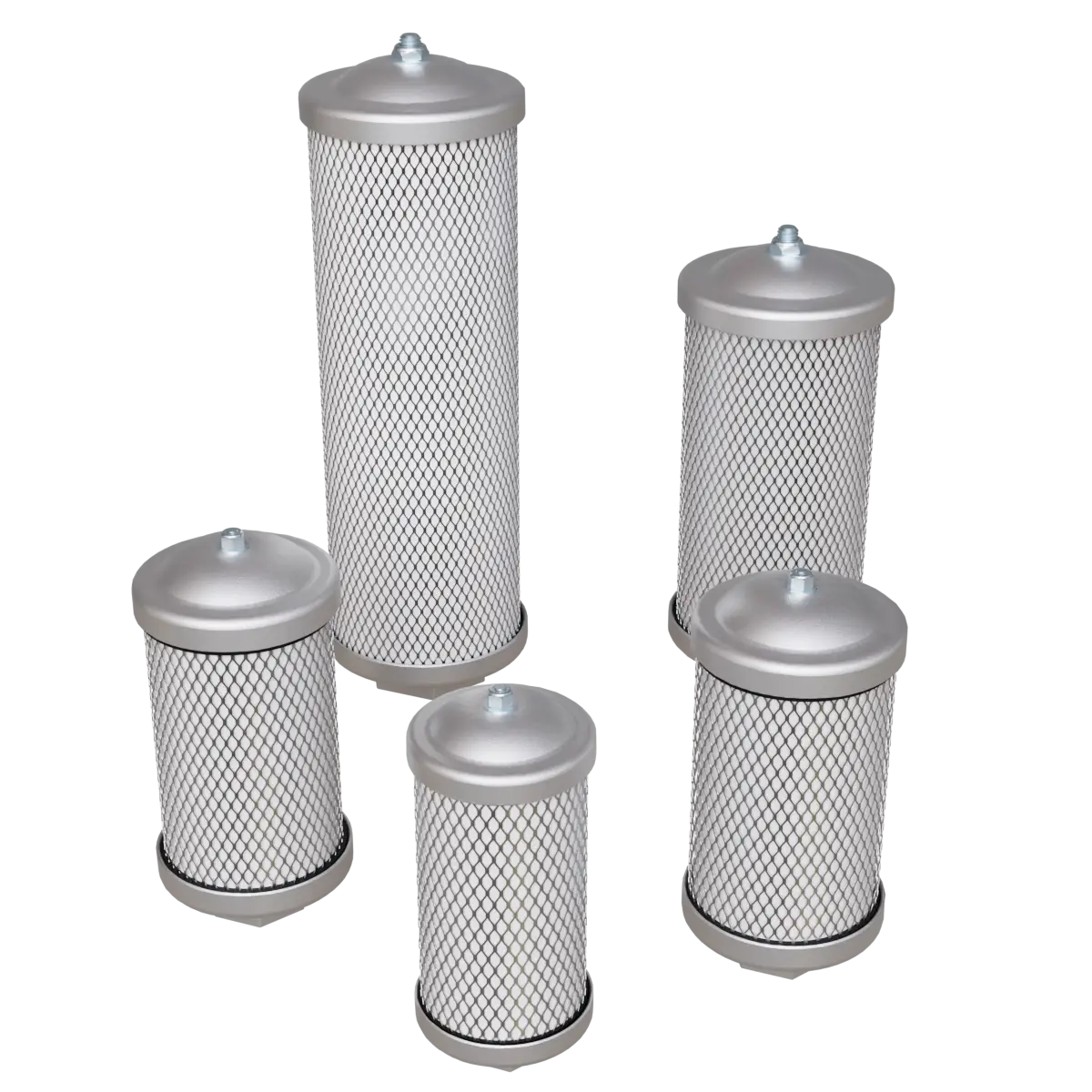
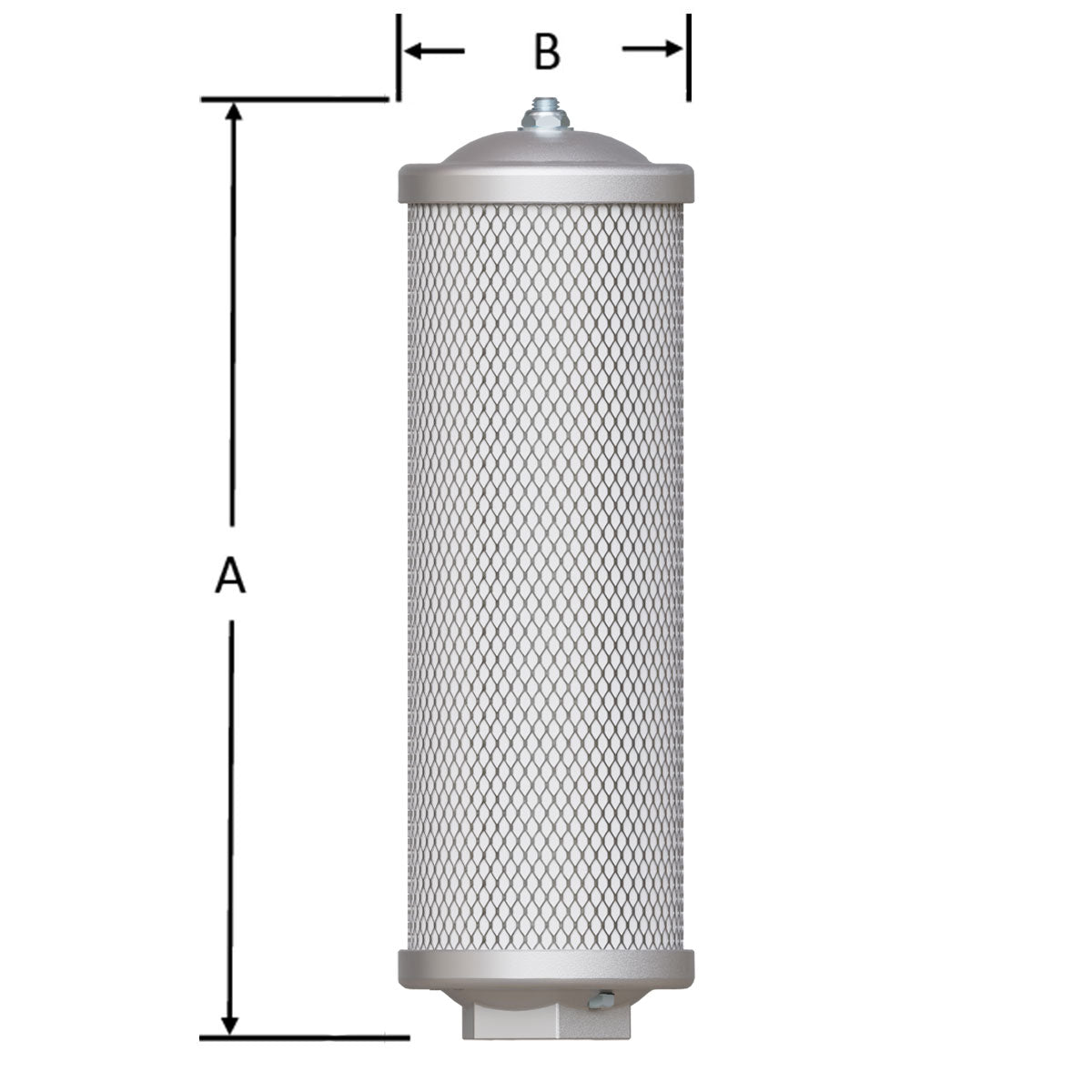
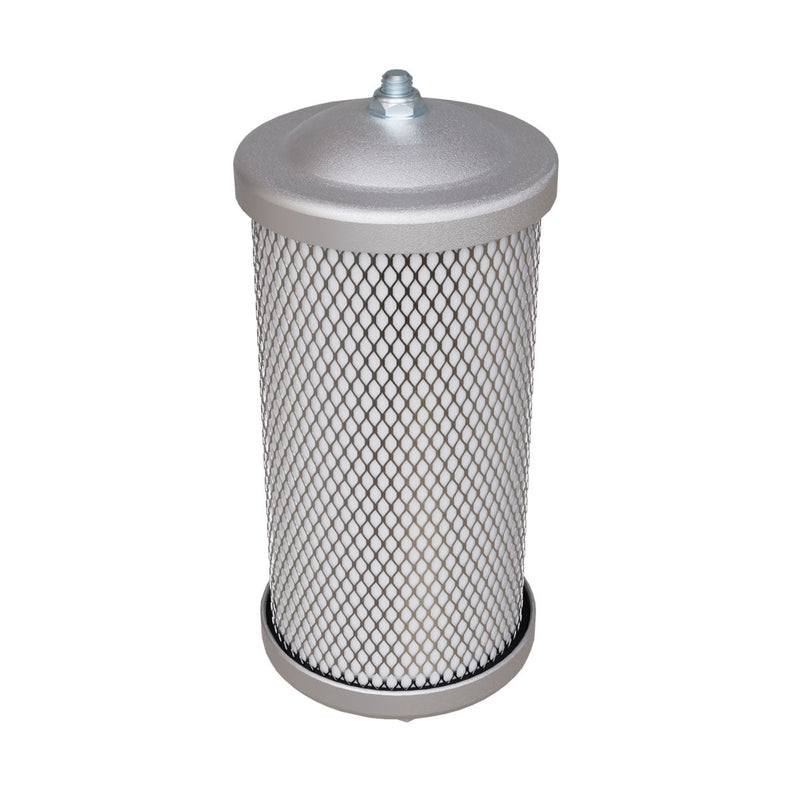
CAM-SW8211-150C Air Muffler for Venting and Depressurization Applications, Silencer Pack, Aluminum

Pokaż kompletne dane

CAM-SW8211-150C

CAM-SW8211-150C tech specifications
  • Trwała aluminiowa konstrukcja
  • Kompaktowa i lekka konstrukcja
  • Technologie wyciszania reaktywnego i absorpcyjnego
  • Komponenty modułu dostrojenia dla aplikacji*
  • Oczekiwanie na patent

Specyfikacja techniczna

  • Temperatura (ciągła): min -15°F (-26°C), maks. 220°F (104°C)
  • Zastosowania z redukcją ciśnienia do 10 barów/150 PSI
  • Tłumienie dźwięku do 30 dBA**

**Rzeczywista redukcja dźwięku różni się w zależności od początkowego poziomu hałasu, rodzaju sprzętu, poziomu ciśnienia, przepływu powietrza i innych warunków pracy.

Application

  • Rozprężanie układu suszenia
  • Rozprężanie generatora tlenu i azotu
  • Wyciszenie otworu wydechowego
  • Filtr oddechowy i odpowietrznik
  • Wyciszenie przedmuchu sprężarki


Air Compressor Mufflers

CAM Series FAQs

What causes the loud blowdown noise in PSA dryers and nitrogen generators?

The noise occurs when a pressurized adsorption tower rapidly vents to atmospheric pressure during the regeneration cycle. Gas expanding from around 100 to 150 psig creates a high-velocity exhaust jet that generates significant acoustic energy.

Why do PSA systems need rapid depressurization?

Rapid depressurization helps release the contaminants that were adsorbed onto the desiccant or molecular sieve during the drying or separation cycle. This prepares the media for the purge stage that removes those contaminants from the vessel.

How does back pressure affect PSA regeneration?

Back pressure in the exhaust line can slow the depressurization process and reduce purge flow through the adsorption bed. This may result in incomplete regeneration of the media and can affect dew point or gas purity.

How loud are PSA dryer blowdown events?

Even with silencers installed, the initial blowdown phase can reach sound levels around 100 dB, depending on system size and operating pressure. During the lower pressure purge cycle, exhaust noise typically drops closer to 80 dB.

Why do mufflers clog in compressed air dryer systems?

Desiccant dust and moisture carried in the exhaust stream can accumulate in the silencing media over time. This buildup increases pressure drop and can eventually restrict the depressurization process.

What happens if a PSA muffler becomes clogged?

A clogged muffler can prevent the tower from depressurizing properly. In some systems this may trigger a failure to depressurize alarm or cause the system to operate less efficiently.

What is the difference between reactive and absorptive silencing?

Reactive silencing reduces noise by reflecting pressure waves inside the silencer housing. Absorptive silencing uses specialized materials to absorb sound energy and convert it into heat.

Why is low pressure drop important in compressor exhaust mufflers?

Low pressure drop allows gas to leave the adsorption tower quickly during blowdown and purge cycles. This helps maintain proper regeneration of the adsorption media.

How often should PSA exhaust silencers be serviced?

Service intervals depend on operating conditions and contamination levels. Systems operating in dusty environments or with aging desiccant may require more frequent inspection.

Are replaceable silencing packs better than disposable mufflers?

Replaceable silencing packs simplify maintenance and reduce replacement cost because only the internal element needs to be changed rather than the entire muffler assembly.