
SOLBERG

DBL-275/2P-4L/5T

$1,585.00 USD each
$1,585.00 USD each
W promocji

Pomiń, aby przejść do informacji o produkcie
1 z 3

SOLBERG

DBL-275/2P-4L/5T

$1,585.00 USD each
$1,585.00 USD each
W promocji

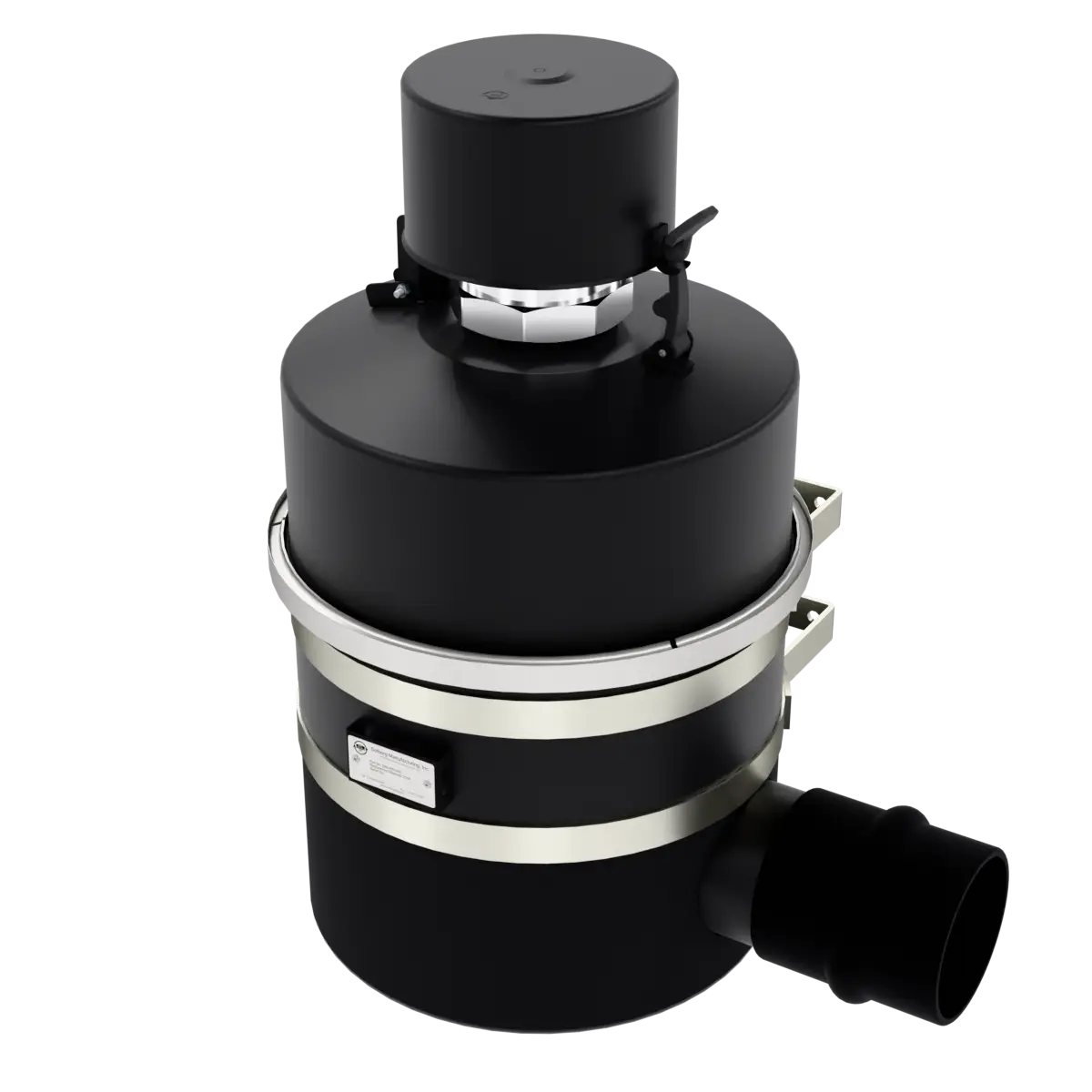
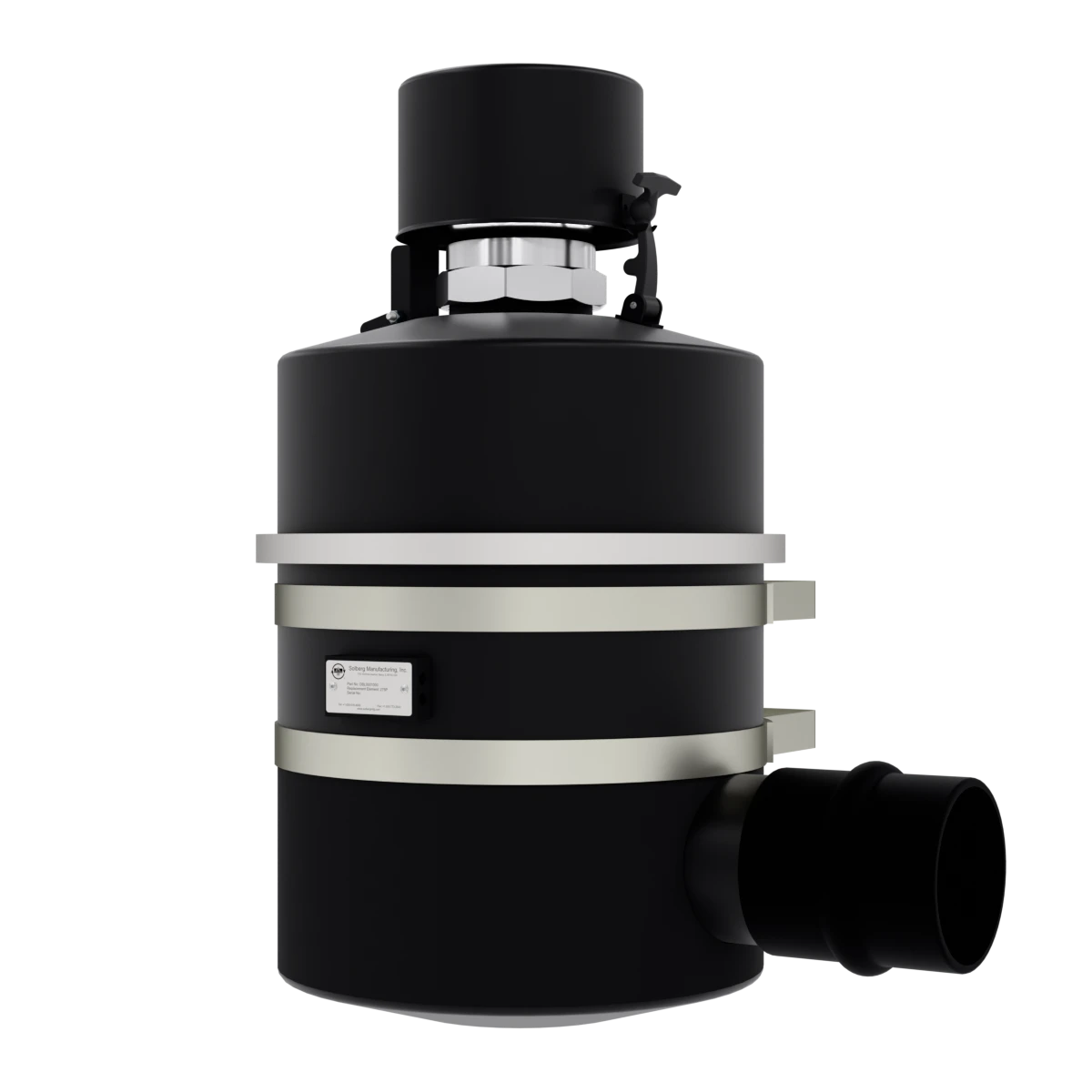
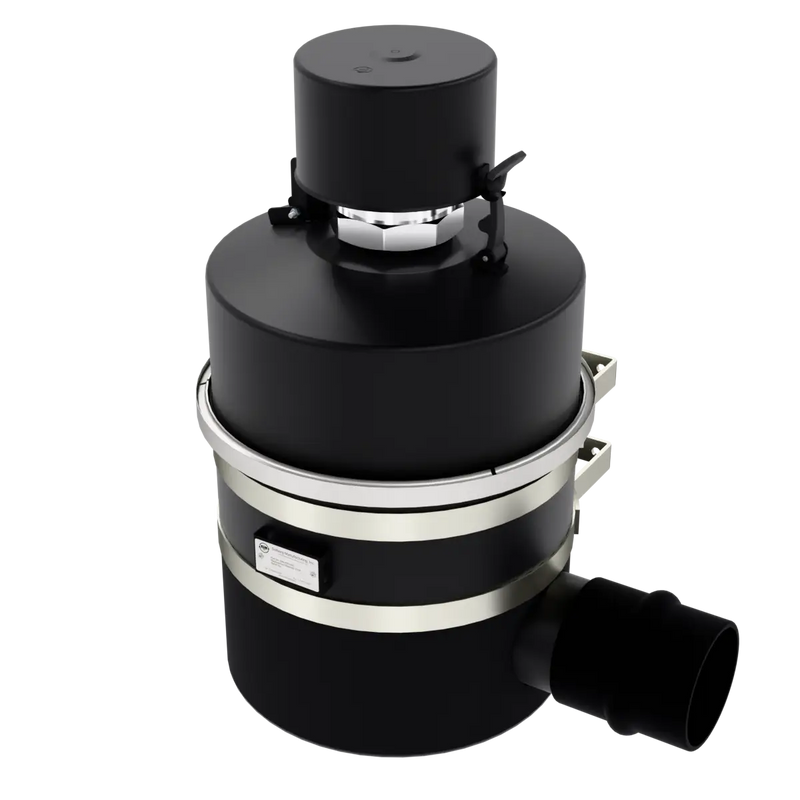
DBL-275/2P-4L/5T Side Outlet Dry Bulk Air Filters, Polyester Element, 5 Micron, 2 Elements, Black

Pokaż kompletne dane

DBL-275/2P-4L/5T

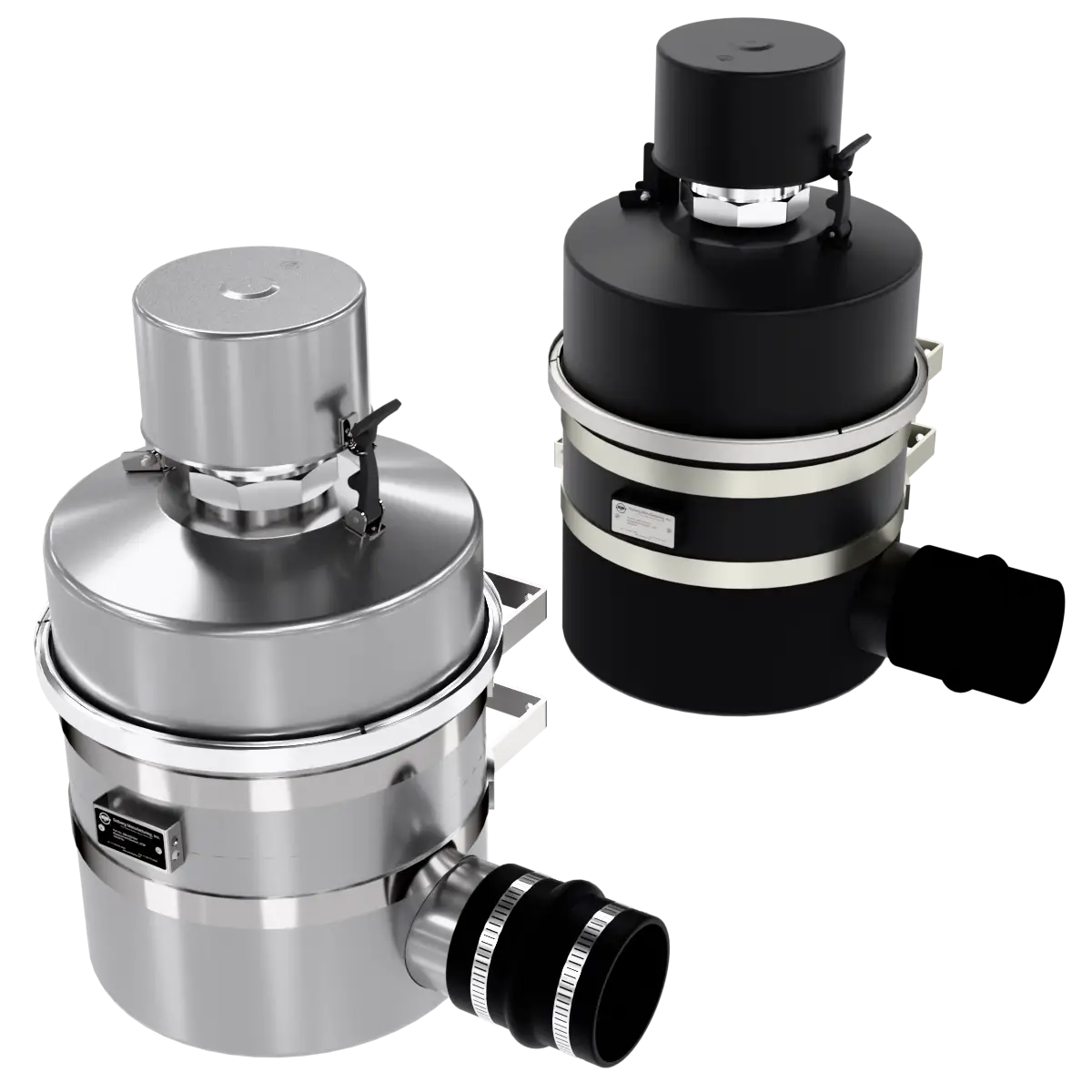
  • Available in corrosion resistant black powder coat carbon steel or 304 stainless steel
  • Unique housing design offers element protection from intake flow
  • Rated pressure and vacuum function
  • For loading and unloading dry bulk tankers
  • 40-50% increased dust loading capacity with prefilter
  • 1” NPSC drain

Options

  • 1/4” taps
  • Polished finish for 304 stainless steel
  • Stainless steel mounting bracket
  • Rubber Flexible coupling
  • Heavy Duty SpinMeister® Precleaners (SMA series)
  • Vacuum gauge

Dry Bulk Trucking Filter FAQs

Why does filtration matter so much in Dry Bulk Trucking applications?

Because dust is what kills blowers. The intake air carries fine particulate, and without a filter in front of it, those particles grind away at the lobes, bearings, and seals. Protect the inlet and you protect the blower, it's that direct.

What does a blower failure actually cost?

Usually $1,000 to $5,000 to repair depending on the damage, plus the downtime that comes with it. A filter element is a lot cheaper than that, making a filter purchase a long-term investment in your equipment.

What causes most filtration problems in Dry Bulking trucks?

Four things. Moisture, which destroys paper elements and corrodes the housing. “Blinding” from old inside-out airflow designs that waste the element's surface area. Noise from high-velocity air, often over 100 dB. And dust overload in filters that were sized too small.

Why polyester media instead of paper for Dry Bulk Trucking?

Polyester shrugs off moisture instead of falling apart in it, filters above 99% efficiency at 5 microns, and holds 40 to 50 percent more dust before it needs to change. For a dusty, damp application like this, it's the better media and it's what we build our elements from.

What should I look for in a housing?

Rated for both pressure and vacuum. Internal baffling to shield the element from the raw intake blast. A 1-inch drain port so water doesn't pool at the base. A corrosion-resistant finish, such as black powder coat, or 304 stainless for salt country. An integrated silencer to knock down the noise without choking flow. And an outside-in airflow path, so you actually use the whole element.

What is a precleaner, and do I need one?

On high-dust loads, yes, it's worth it! A precleaner is a centrifugal first stage that spins out up to 90% of the big particles before they ever reach the main filter. Less load on the element means it lasts a lot longer.